Democracy in the Digital Age
Reflections on the Aspen NZ Socrates Seminar 2025
By Katherine Short, Socrates Seminar Participant
The Aspen Institute's Socrates programme in Queenstown offered a rare opportunity to engage deeply with one of our era's most pressing challenges: how journalism and democracy can endure in an age of artificial intelligence and information abundance. As a professional inter-disciplinary researcher I began experimenting with a deep research AI programme (Perplexity, subscription) earlier this year. Relatedly, as a sustainability professional and knowing their energy consumption and water use, I was also surprised to not yet be able to find one yet with strong sustainability credentials.
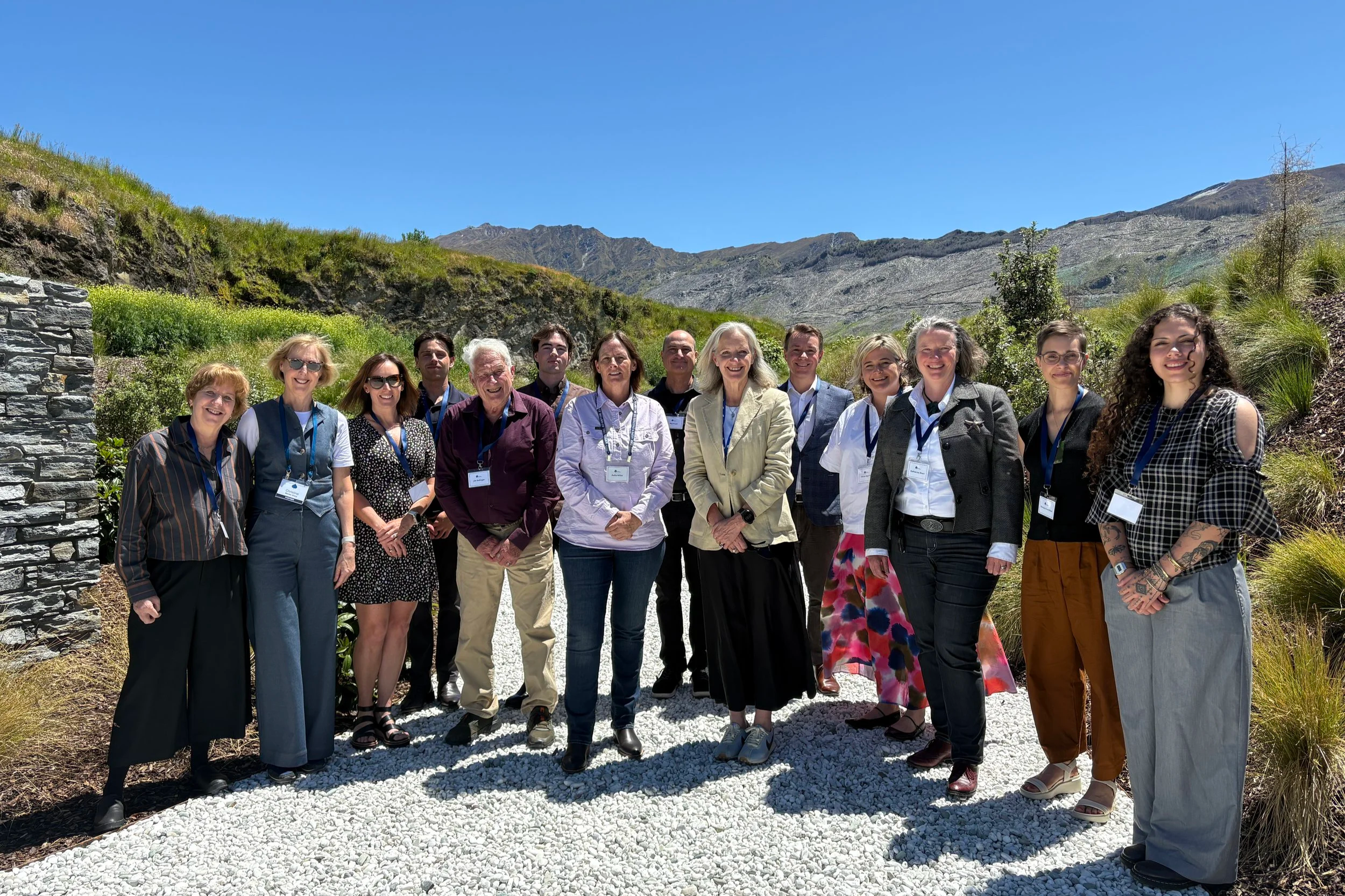
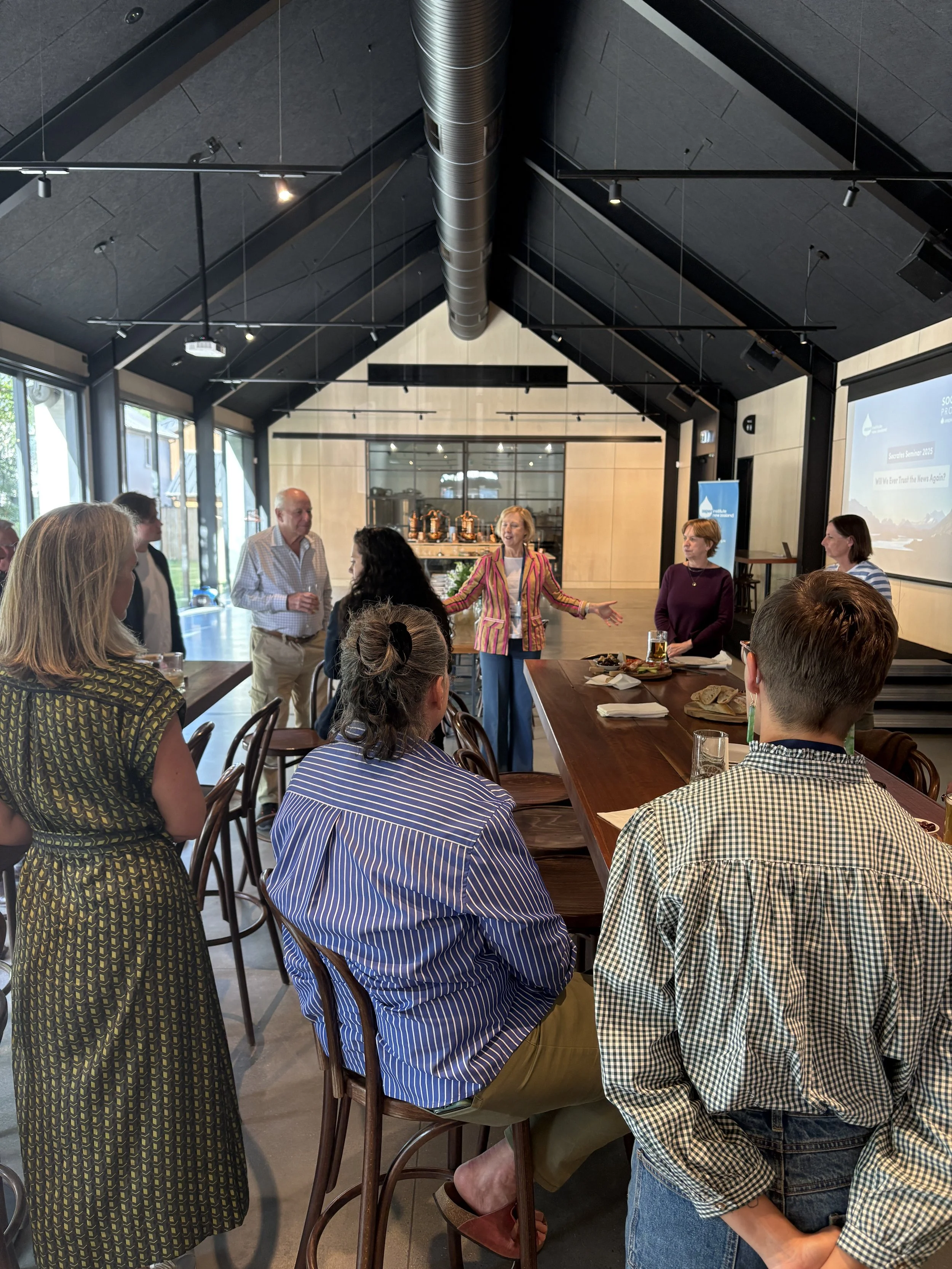
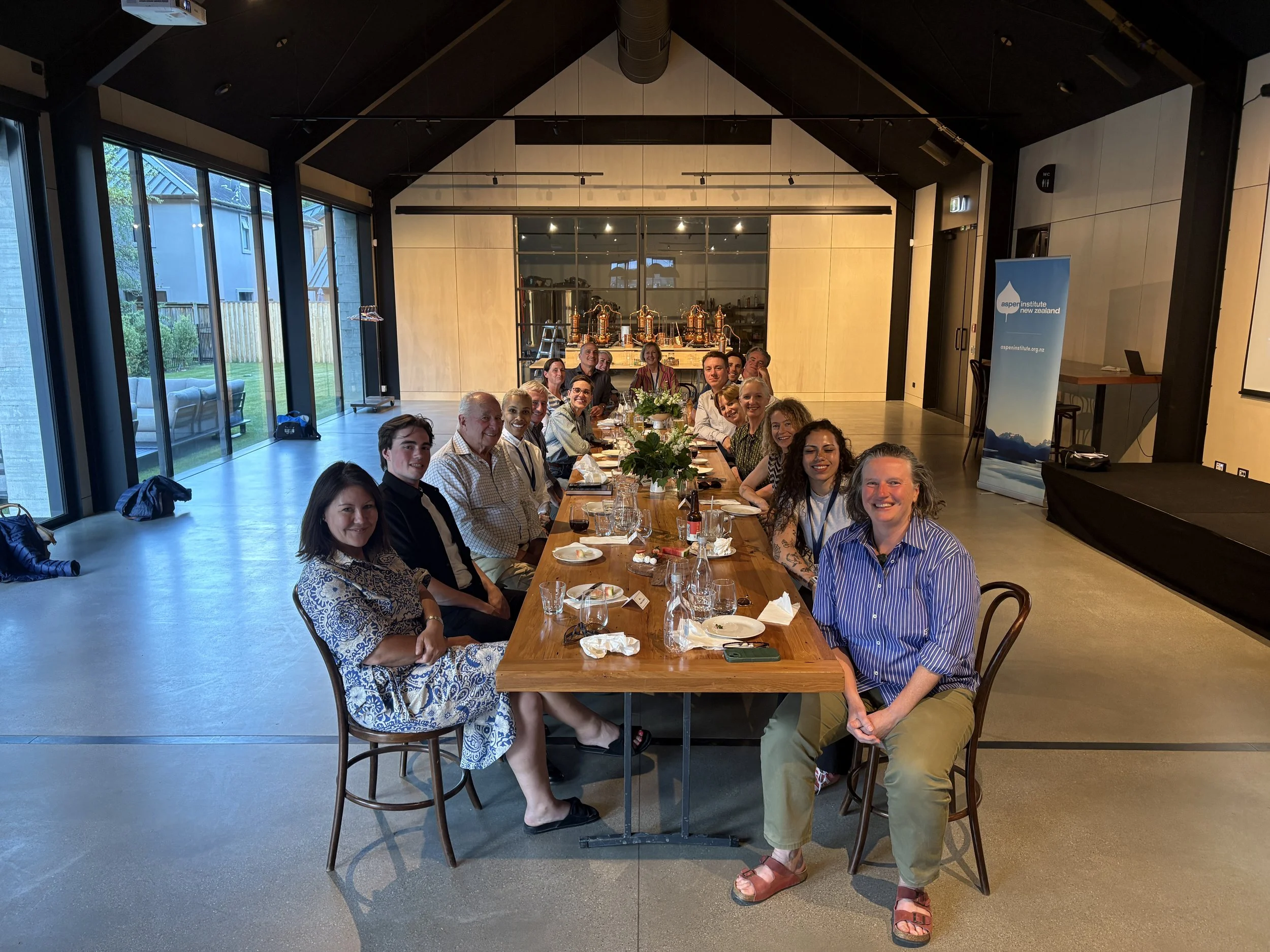
Over three intensive days, participants explored the information ecosystem, the evolving purpose of journalism, and the implications of AI for democratic governance through the ancient method of Socratic dialogue. I have been fortunate to have been in many socratic dialogues over the years in WWF and international fisheries negotiations and this was most ably facilitated by Ms Vivian Schiller, a senior media leader who leads the Aspen Institute’s Digital programme.
Dialogue was anchored in valuable pre-readings and participants shared observations about how the relationship between journalism, information, and democracy are dramatically shifting. One insight crystallised this: "Journalism used to be about information and now it's so often about influence." The distinction matters profoundly. As information moves faster than it can be verified, the traditional authoritative role of journalism becomes simultaneously more important and more difficult to sustain.
The notion of trustworthiness as distinct from mere trust emerged powerfully. Trustworthiness has measurable characteristics: evidence and transparency, sourced and referenced claims, unadorned language, and consistency over time. These are human qualities i.e. discipline, integrity, accountability that remain essential scaffolding for democratic discourse, regardless of technological change.
Yet the questions posed cut deeper. Should media institutions bear responsibility for withholding what is untrue? How does journalism leadership navigate 2025, when traditional institutions move slowly whilst information cascades at algorithmic speed? One participant captured the paradox: "Fighting a modern war with ancient weapons." E.O. Wilson's observation that humanity possesses “…Paleolithic emotions, medieval institutions, and god-like technology” was particularly apt when introduced by a participant. The asymmetry between our technological capacity and our institutional wisdom is creating genuine peril.
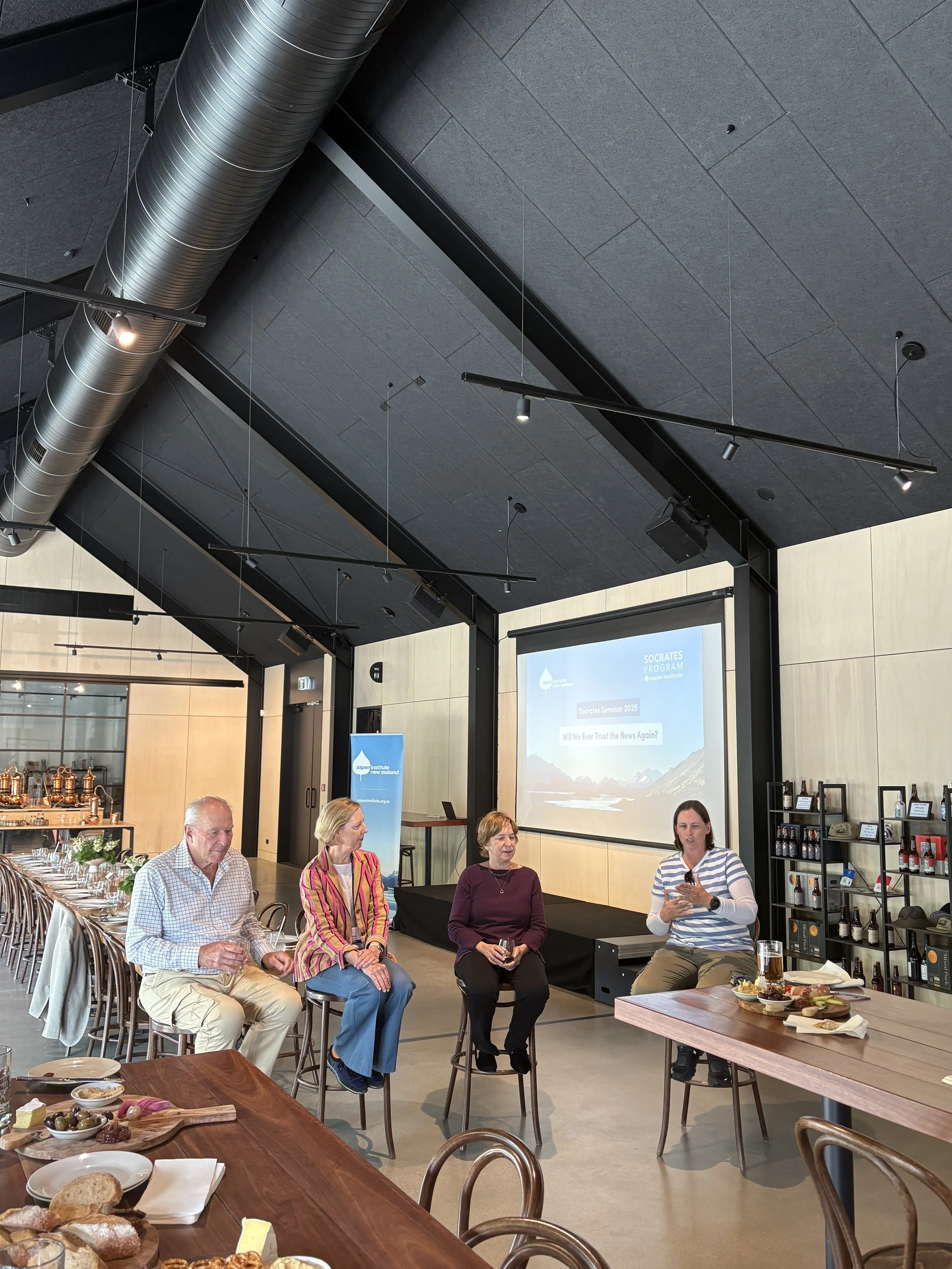
Vivian introduced the phrased “there must always be a human in the loop” which we all agreed with. Not humans replaced by AI, but humans consciously partnering with it, asking hard questions about what we amplify, what we verify, and what we leave unsaid.
This echoes conversations I have had with indigenous-based initiatives about ancestral intelligence i.e. the wisdom embedded in human relationships, community knowledge, and long-term thinking and which can serve as a necessary counterweight to artificial intelligence's speed and scale.
We all also shared our experience of using AI and it was fascinating listening to participants talking about how they’re using it for personal training and meal planning, as well as a professional tool. In my six months experience using AI I’ve found some half dozen mistakes and this underpins my belief that one should only use it professionally when one really knows the subject matter. It’s also been very interesting discussing it with the institutional research community which has strongly divergent views about it.
The Socratic method itself proved invaluable. Rather than seeking consensus or closure, it created permission for genuine exploration of tension and complexity. Participant age diversity of, a 65-year gap between youngest and oldest and their differing generational experiences with media, information access, and institutional trust greatly enriched the discussions.
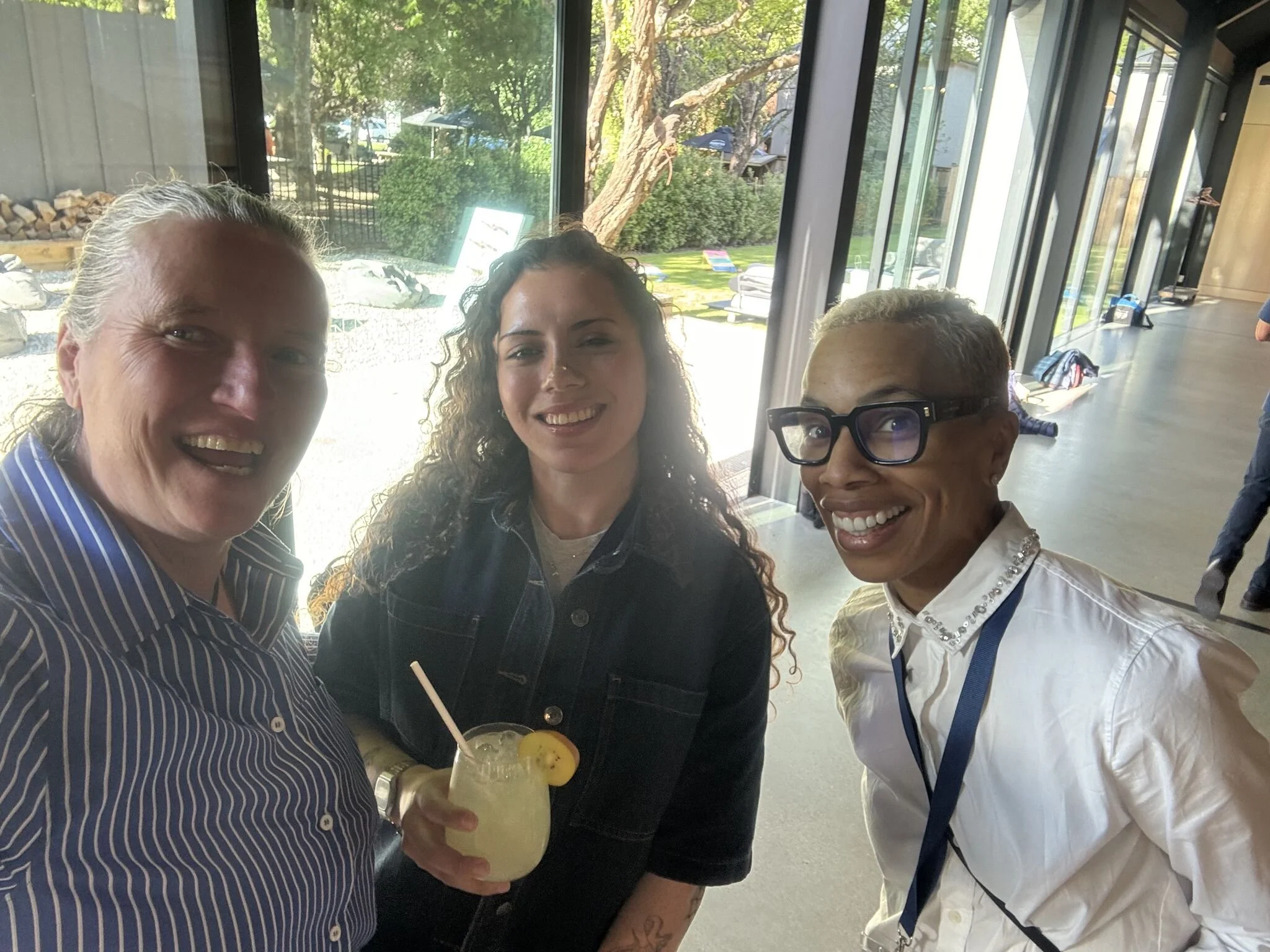
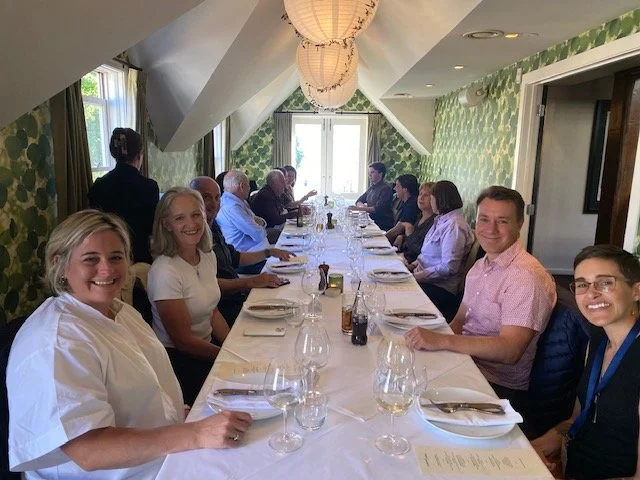
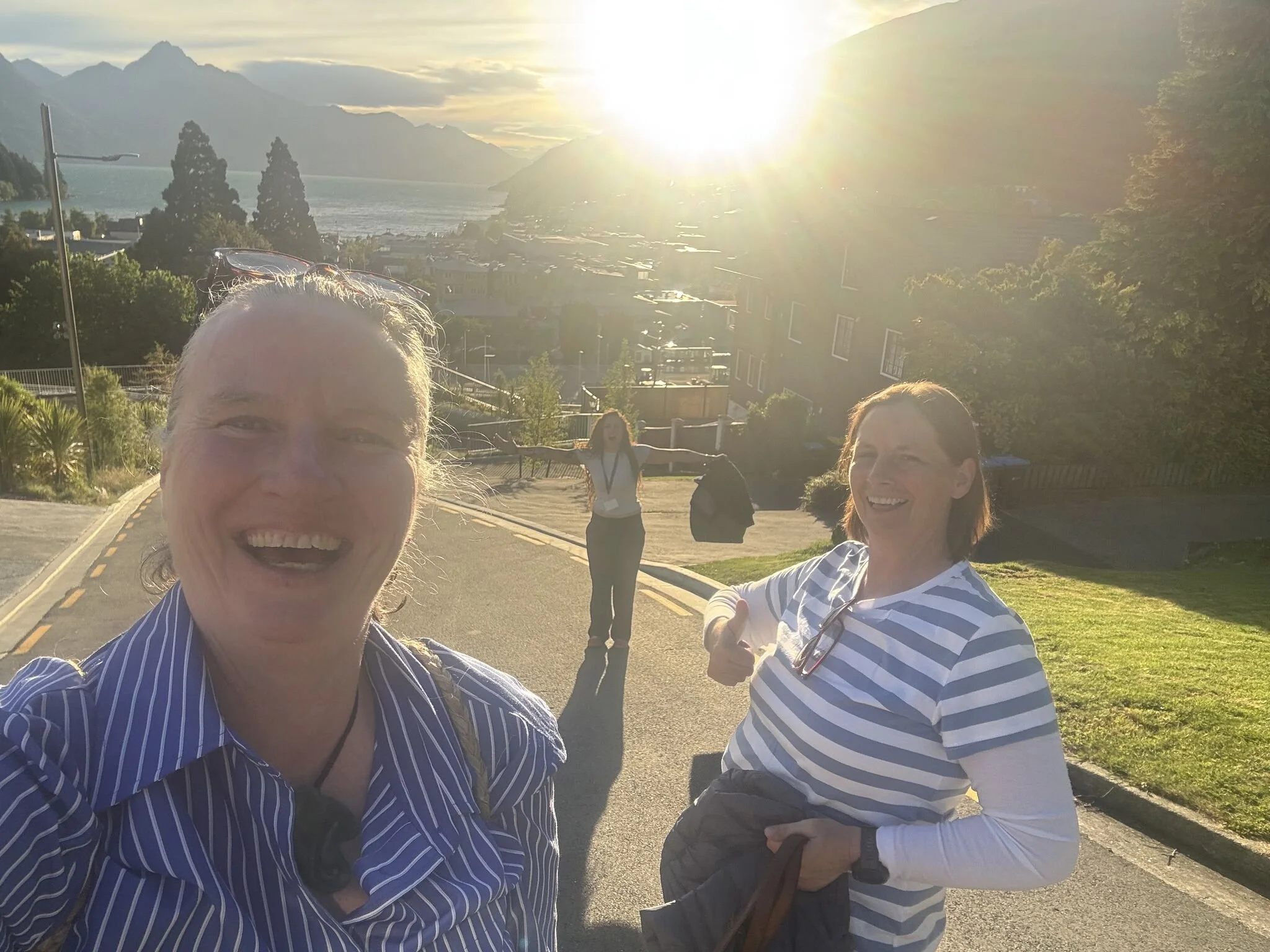
The gathering also embodied what matters in convening: genuine manaakitanga in Queenstown's stunning setting, thoughtful scholarship, and the intentionality to bring together people who care about something larger than themselves. These conditions allow the kind of conversation that changes how we think.
The challenge now is how to extend this dialogue to journalism institutions, to policy makers, to communities navigating their own relationships with information, and to the challenging conversations we all must sometimes have with colleagues, friends and family. Journalism's purpose, as one participant articulated, is "to provide citizens with information to be free and self-governing." That noble purpose demands nothing less than rigorous thinking about how we steward truth in an age of unprecedented technological power. The Aspen Institute has created a meaningful space for that work to begin. I am very grateful for the partial scholarship that made my participation possible.
Katherine Short is Principal and Director of F.L.O.W. Collaborative Ltd, where she advances a regenerative blue economy and supports Māori-led ocean regeneration. With international experience in marine policy, conservation, ecosystem-based management, and sustainable seafood, Katherine specialises in systems change i.e. designing, leading and guiding collaborations and cross-sector initiatives that drive lasting impact. She was lead author of New Zealand’s foundational Blue Economy Principles, as developed innovative funding approaches her whole career, and facilitated collaborations with industry, iwi, and government. Katherine brings an inherent systems thinking capability, expertise in programme development, and also a deep respect for indigenous knowledge systems to all her work, ensuring both science and cultural perspectives drive coastal habitat regeneration.