New Zealand’s Place in a Contested World: The Choices We Cannot Avoid
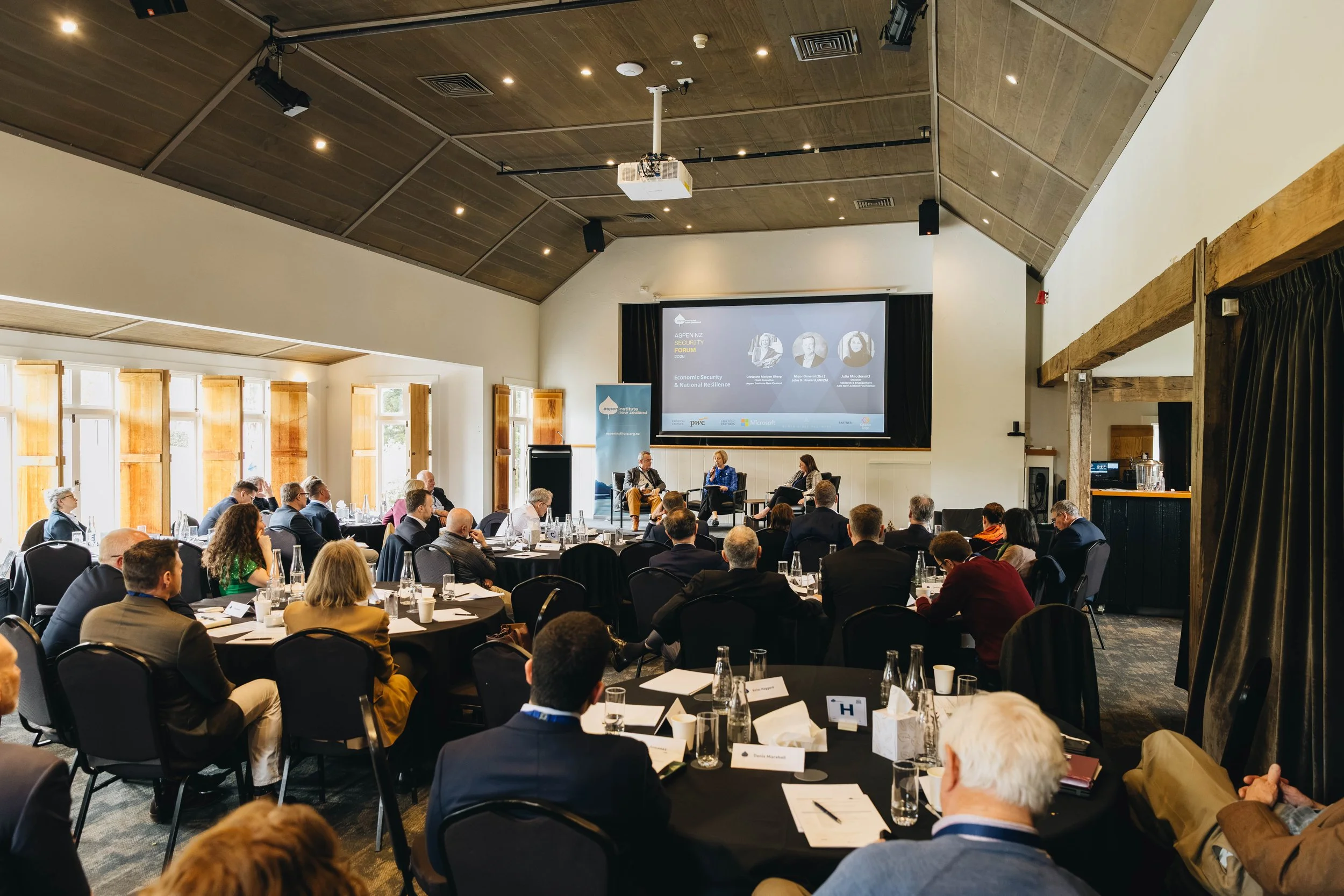
Image: Ara Jay Media
Discussion Summary: Aspen Security Forum 2026
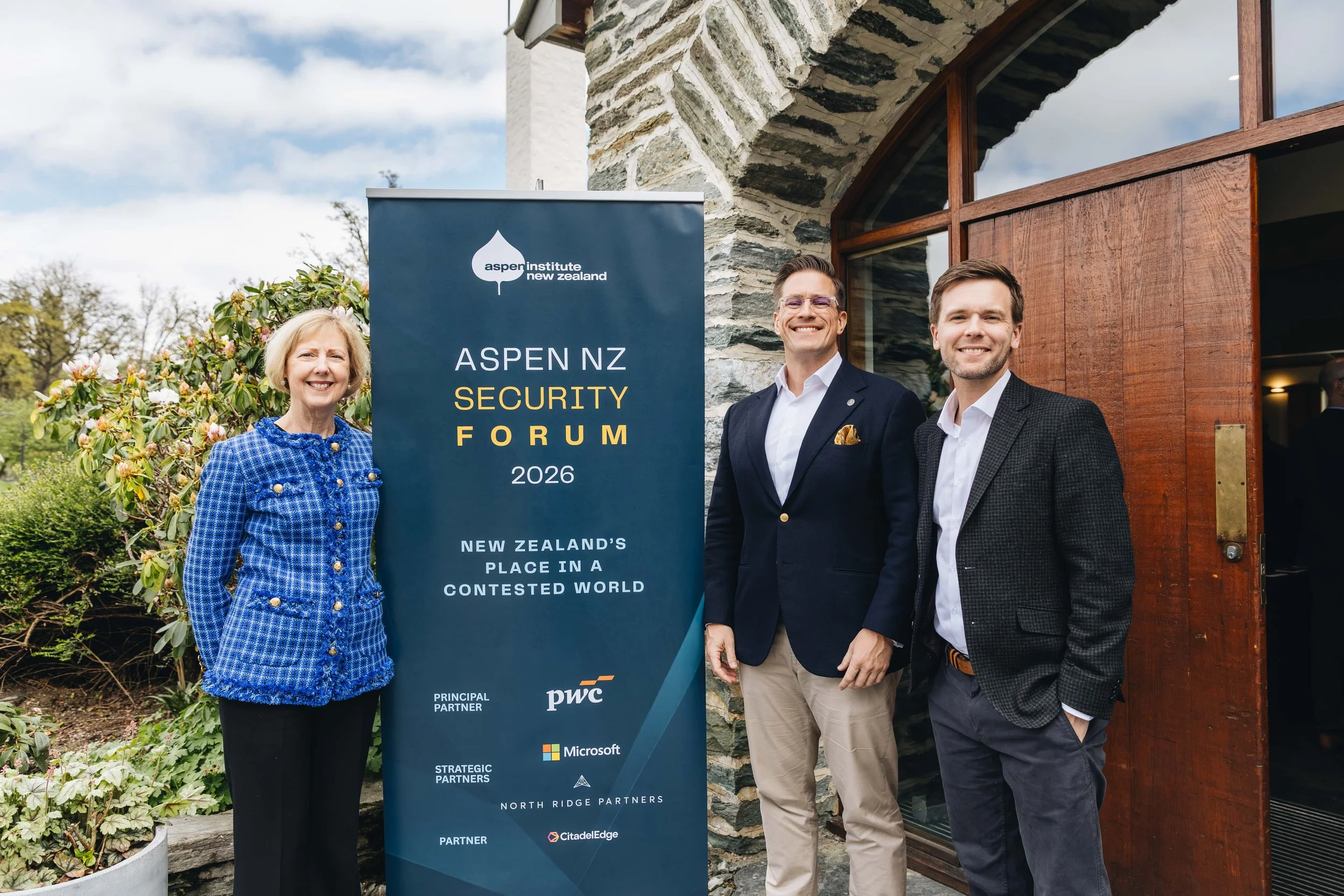
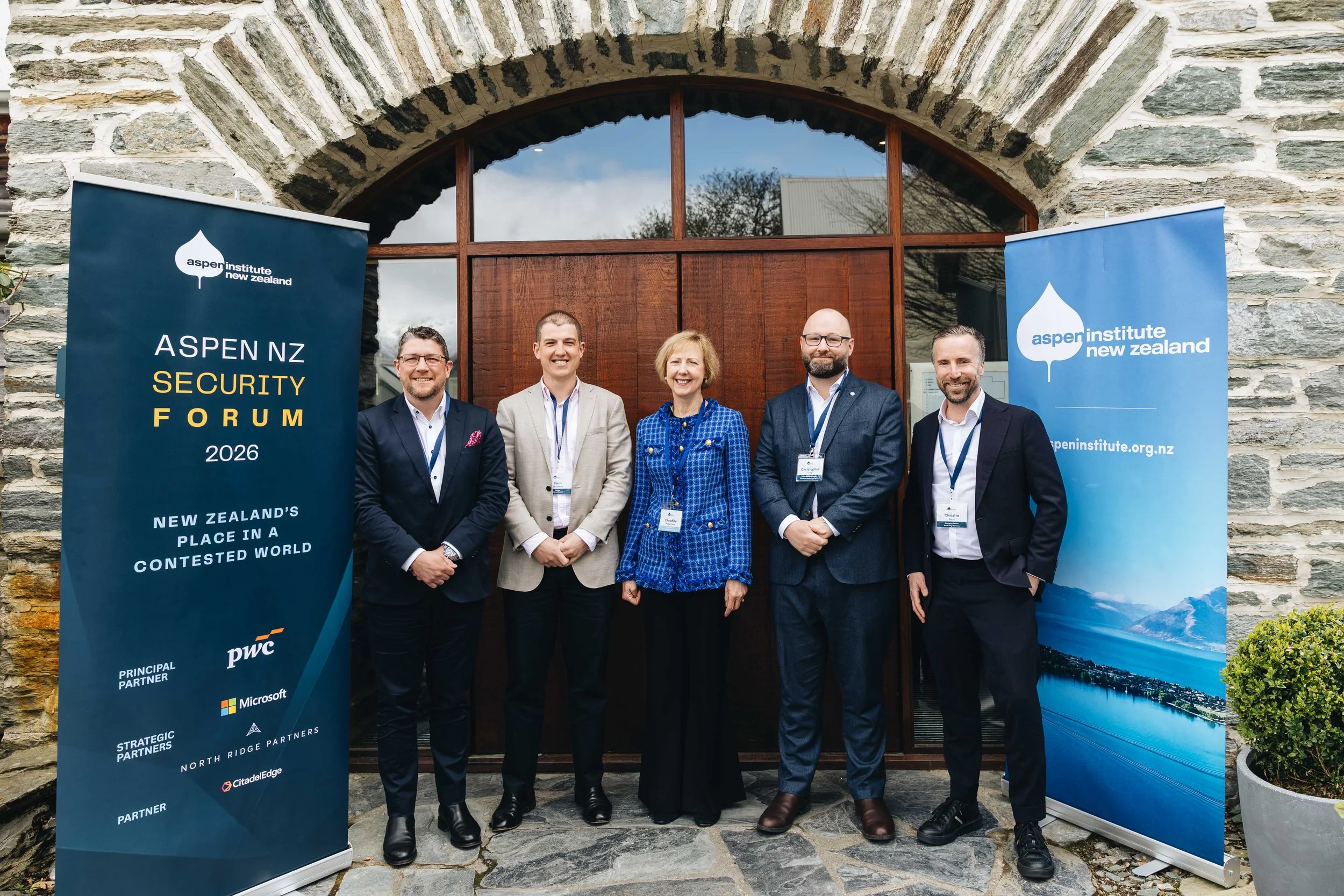
The Aspen NZ Security Forum 2026 brought together leaders from across government, intelligence, defence, business, technology, research and academia to consider how New Zealand can protect its interests, strengthen national resilience and prepare for a more contested world.
New Zealand has long benefited from its distance from the world’s major centres of power. But that distance offers less protection when cyber threats cross borders, economic relationships can create vulnerabilities, and strategic competition is becoming more visible in the Pacific.
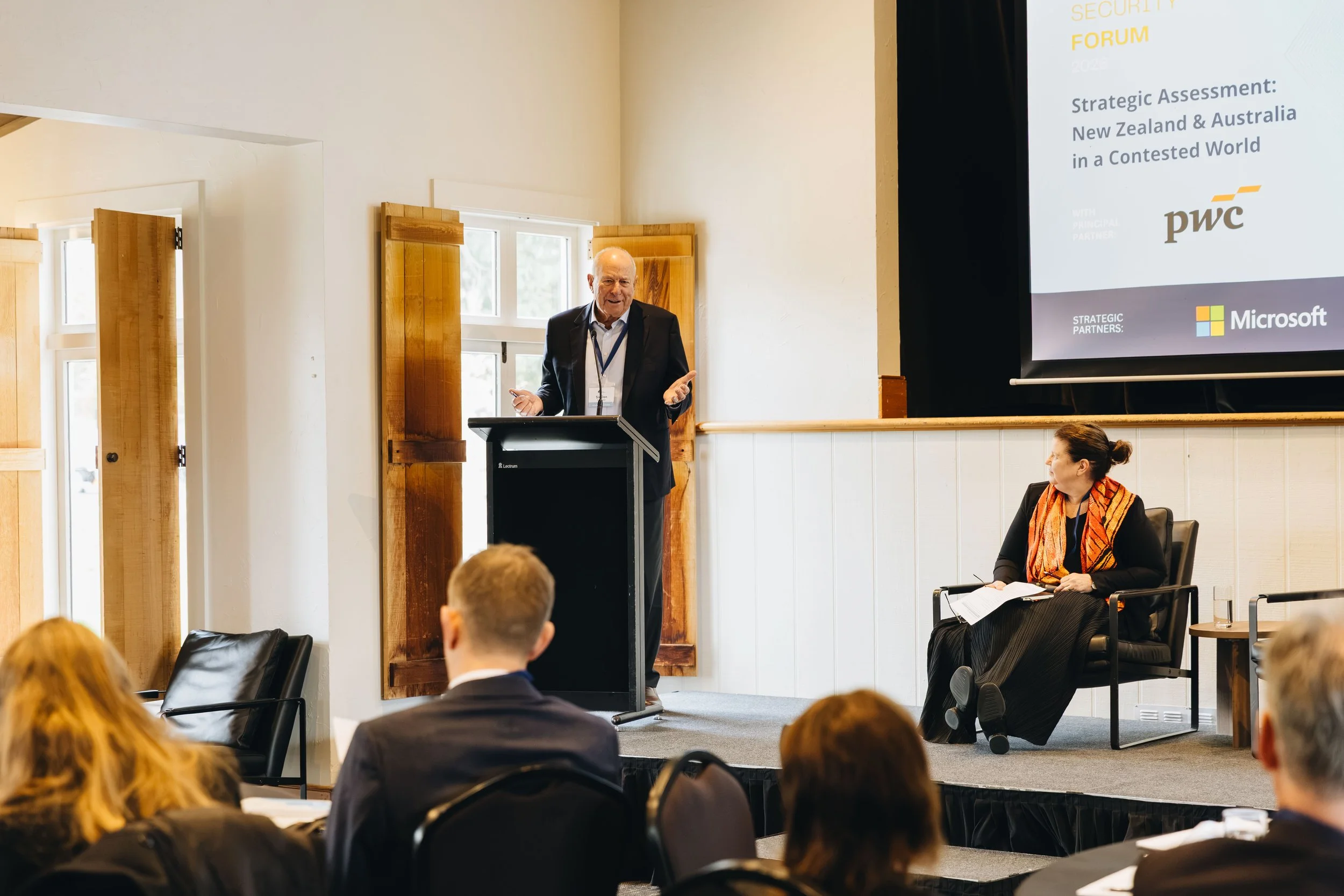
Held in Queenstown on Friday 16 October, the Aspen NZ Security Forum considered what these changes mean for a small, trade-dependent country. Across discussions on the strategic environment, the Pacific, emerging technologies, defence capability and economic resilience, a recurring question was how New Zealand can turn a clearer understanding of the risks into practical choices.
The discussions highlighted several areas where New Zealand will need to weigh competing priorities, strengthen its own capabilities and make effective use of international partnerships.







Key themes and takeaways
1. Security and prosperity must be considered together
New Zealand’s economic relationships are central to its prosperity, yet they can also create vulnerabilities when strategic relationships become more uncertain.
This was particularly evident in discussions about China, New Zealand’s largest trading partner. Concerns about espionage, information theft and strategic competition sit alongside the importance of maintaining a significant economic relationship. Managing these risks requires a clear understanding of where New Zealand is exposed, without losing sight of the benefits of trade and engagement.
National security awareness also needs to extend beyond specialist agencies. Businesses, universities and research organisations hold valuable information, intellectual property and data, and may depend on systems that are vulnerable to disruption. Government and industry both have a role in understanding these risks and responding to them.
New Zealand Security Intelligence Service Director-General Andrew Hampton highlighted the need for a broader response to an intensifying security environment.
“The national security threats New Zealand faces have intensified in recent years and will increasingly require a mindset shift from both public and private organisations in order to effectively respond,” Mr Hampton said.
2. The Pacific’s security cannot be understood through New Zealand’s lens alone
The stability and resilience of the Pacific are closely connected to New Zealand’s own security. But the region’s countries have their own priorities, strategic outlooks and approaches to managing relationships with external partners.
Discussions considered how shifting global power, climate pressures and growing external interest are affecting the region. They also highlighted the importance of understanding Pacific decision-making directly, rather than assuming that historical ties will guarantee alignment with New Zealand’s interests.
For New Zealand, this has implications for how it builds regional relationships and approaches issues such as maritime security, strategic access and resilience. Being a reliable partner requires an understanding of what matters to Pacific countries themselves, as well as what New Zealand hopes to achieve.




3. AI and cyber security are changing the pace of risk
Artificial intelligence is creating opportunities for innovation and stronger cyber defences, while also giving malicious actors new ways to identify and exploit vulnerabilities. The time available to respond to some threats is shrinking, placing greater pressure on organisations to understand their exposure before an incident occurs.
Resilience depends on more than adopting new technology. It requires understanding critical dependencies, protecting sensitive data, building security into systems from the outset and having alternatives when essential services are disrupted.
Reuben Steff, Associate Professor at Mendel University said AI could create new opportunities for a country of New Zealand’s size, provided it could adapt quickly:
“AI is shifting the strategic balance towards states that can adopt and absorb new technology fastest – not just those with the largest militaries or economies. For New Zealand and its defence force, being small is therefore not the problem – reacting and adapting slowly is. If we build secure, resilient digital foundations and work hand in hand with close partners like Australia, Japan and the US, AI can let our small force see further, act faster and better protect New Zealanders at home.”
Government and industry bring different capabilities to this work, making effective collaboration important. New Zealand also faces choices about how quickly to adopt emerging technologies, which applications are appropriate for different purposes, and how to develop the digital infrastructure needed to support them.
4. Research security requires protection without closing off collaboration
International research and the exchange of knowledge are important to scientific progress and innovation. At the same time, research can involve valuable intellectual property, sensitive information and technologies with strategic applications. Understanding the legal and regulatory obligations that apply to research partners is therefore an important part of managing these risks.
Cortney Weinbaum, Senior Management Scientist at RAND, highlighted the implications of China’s national security and intelligence laws for international research collaboration. She noted that “China’s national laws mandate that all Chinese citizens and organizations must share any research data, research methods, and proprietary information with the government.” Weinbaum cautioned that institutions entering partnerships with Chinese organisations may not fully understand the legal framework their partners operate within.
For research institutions, this reinforces the importance of assessing risks early, protecting data and intellectual property, being transparent about partnerships and interests, and establishing clear governance. The aim is to manage potential risks while preserving the benefits of international collaboration.



5. Defence capability raises decisions about what to build, buy and share
New Zealand needs defence capabilities suited to its geography and security requirements. Developing and sustaining those capabilities involves decisions about where to invest domestically, where to work with partners and where purchasing from others makes more sense.
The discussions considered the role of domestic defence industry, the workforce and investment needed to sustain it, and areas where New Zealand might make a distinctive contribution, including space-based capabilities and drone technologies.
Jude Rushmere, Chair of SYOS Aerospace, highlighted the opportunity to build on existing strengths in New Zealand’s technology and industrial sectors:
“New Zealand has a real opportunity to build sovereign capability by backing the innovation that already exists within our technology and industrial sectors. We have talented people, strong ideas and globally relevant technologies, but turning that potential into sustainable capability requires long-term commitment, support for growth, access to capital and stronger pathways into international markets. If we can create the right environment, New Zealand can make a meaningful contribution both at home and alongside our partners across the Five Eyes community. ”
A practical question was how to balance established military capabilities with investment in newer technologies and domestic industries. Frigates remain an important consideration, while developing capabilities in which New Zealand can add particular value may also strengthen its contribution to wider partnerships.
The relationship with Australia is significant in this context. Greater interoperability and closer links between government and industry can support shared preparedness, but New Zealand also needs clarity about what it can contribute and which capabilities it should develop and sustain for itself.
6. Economic resilience is part of national security
Maintaining open trade is essential to New Zealand’s prosperity, as is preparing for disruption. Critical infrastructure, financial systems and the ability to maintain essential services all contribute to the country’s resilience.
Julia Macdonald, Director, Research and Engagement, Asia New Zealand Foundation, highlighted the relationship between economic security, preparedness and trust:
“Economic security and national resilience go hand in hand. For New Zealand, it’s about being prepared for disruption and having options, while keeping trade open and maintaining strong relationships across the region. Trust is a big part of that - not just with our partners overseas, but here at home too. Strong relationships between government, business and the public are essential if we’re going to navigate uncertainty together and protect New Zealand’s long-term prosperity and security.”
A presentation on modernising New Zealand’s payment systems illustrated how these issues reach beyond traditional defence and intelligence. Reliable payment infrastructure helps keep money moving during disruption, while improvements to payment options could also support more efficient and affordable cross-border transactions, including for Pacific communities.
The wider discussion returned to the importance of public understanding. National security involves more than the work of specialist agencies. Businesses, communities, researchers and individuals all have a part to play in recognising risks and strengthening resilience.
Overall reflections
The Forum highlighted the connections between New Zealand’s security, economic prosperity, regional relationships and capacity to respond to disruption. These issues cannot be considered in isolation: decisions about trade, technology, defence and research all have implications for the country’s wider resilience.
There are no simple answers. New Zealand must weigh competing interests, work within limited resources and prepare for an uncertain strategic environment. The discussions pointed to the importance of understanding vulnerabilities, developing sustainable domestic capability and building partnerships that reflect both New Zealand’s needs and the contributions it can make.
By bringing together perspectives from across sectors, the Aspen NZ Security Forum provides a space to consider these choices beyond the boundaries of individual institutions. The decisions New Zealand makes now about its capabilities, partnerships and resilience will help shape how well it navigates a more contested world.
The Aspen Institute New Zealand would like to thank Principal Partner PwC New Zealand, Strategic Partners Microsoft and North Ridge Partners, and Partner Citadel Edge for their support of the Aspen NZ Security Forum and its ongoing work to strengthen New Zealand’s security, leadership and resilience.